The Quiet Revolution in Withdrawal Processes: How Instant Payout Technologies Are Changing Operator Competitiveness
Written by Parker Schmid · Aug 23, 2026
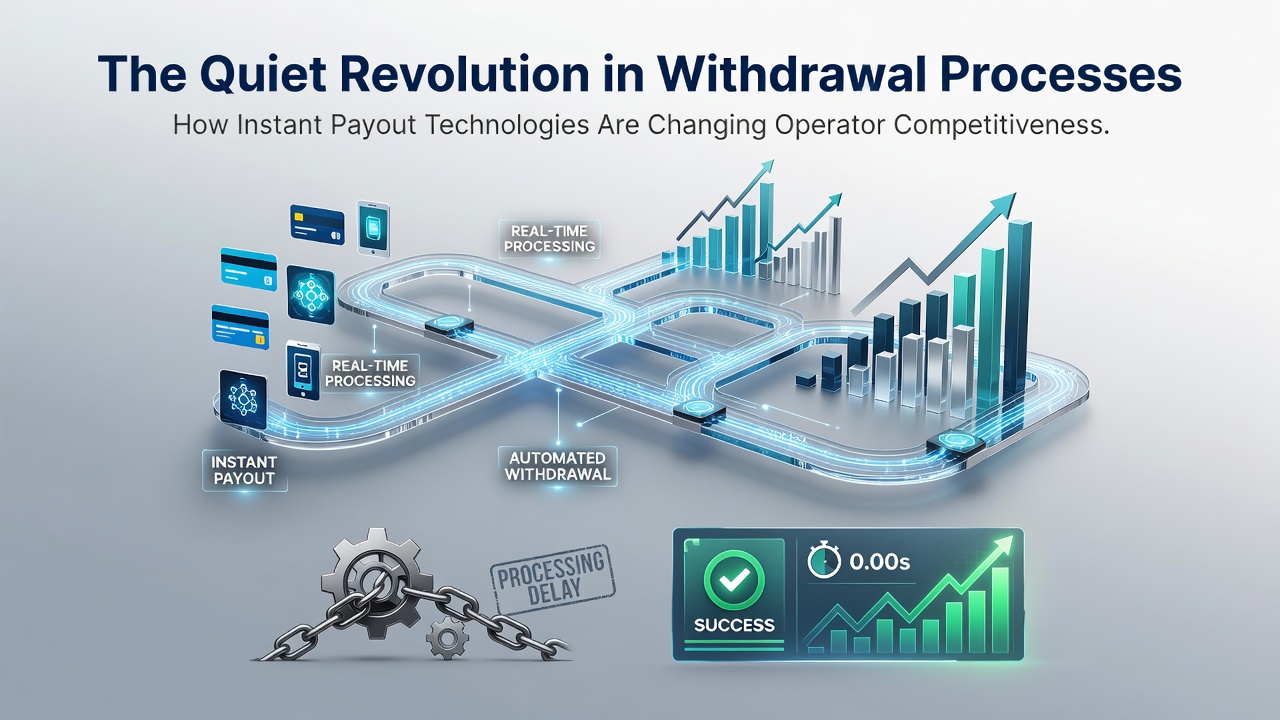
The Quiet Revolution in Withdrawal Processes: How Instant Payout Technologies Are Changing Operator Competitiveness
Instant payout systems have moved from niche features to standard expectations in many digital gambling environments, and operators who delay adoption now face measurable disadvantages in player retention metrics. Data from multiple markets shows that platforms offering same-day or real-time withdrawals record higher repeat deposit rates compared to those maintaining traditional processing windows of 24 to 72 hours. August 2026 marks a notable checkpoint where several jurisdictions begin enforcing updated consumer protection timelines that indirectly reward faster transaction capabilities.
Technology Driving the Shift
Payment processors have integrated blockchain rails and automated verification layers that reduce manual reviews to near zero in low-risk cases, while legacy bank transfer protocols still require batch processing at set intervals. Operators deploying these tools report average withdrawal completion times dropping below 15 minutes for verified accounts, according to figures released by the Pennsylvania Gaming Control Board in their latest compliance overview. The same report notes that platforms using instant methods see fewer chargeback disputes because funds reach player accounts before second thoughts develop.
Regional Variations in Adoption
North American markets display uneven rollout patterns, with some states requiring additional identity checks that slow even automated systems, whereas certain European and Asian operators have streamlined onboarding to enable near-instant approvals from the first deposit. Research compiled by the Responsible Gambling Council in Canada highlights that jurisdictions with clearer digital wallet integration rules achieve faster market-wide compliance. Players in these regions often migrate toward operators advertising sub-hour payouts, creating competitive pressure that spreads beyond individual platforms.
One study revealed that mid-sized operators who introduced instant options during 2025 gained an average 18 percent increase in monthly active users within six months, while competitors relying on older clearing systems experienced flat or declining figures during the same period. The pattern holds across both slot-focused sites and live dealer environments, suggesting the advantage stems from withdrawal speed rather than game variety alone.
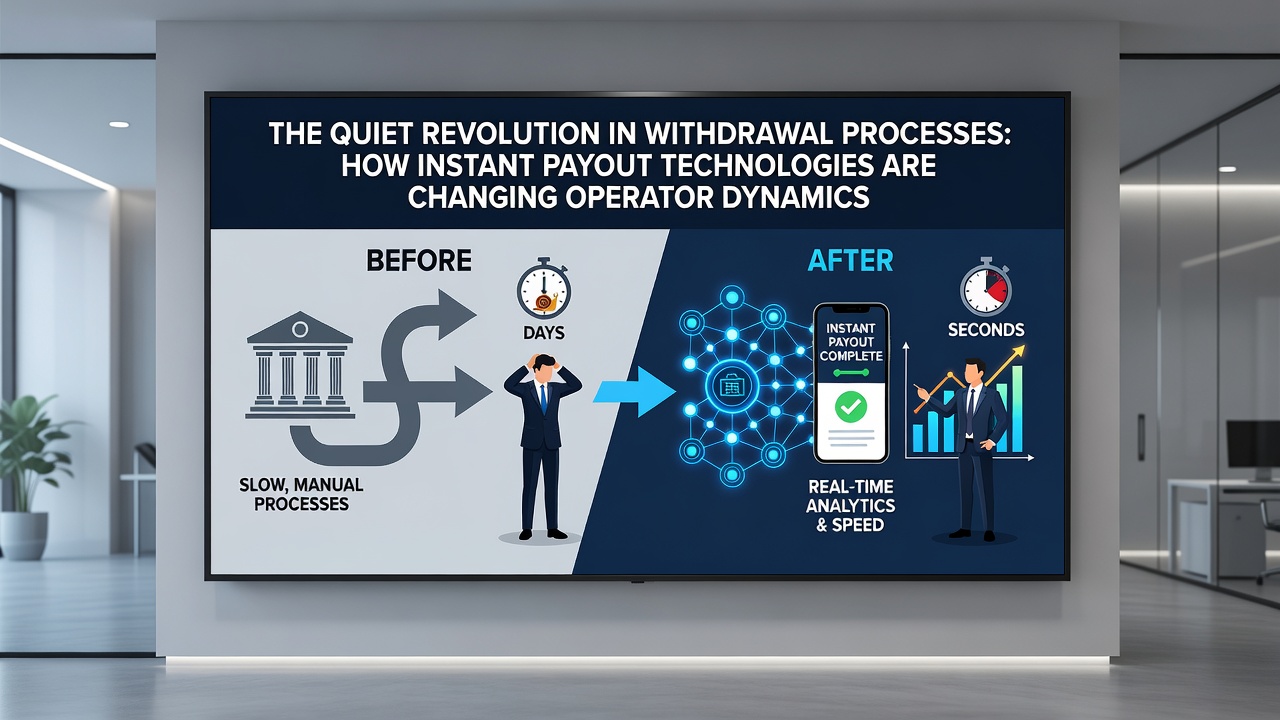
Impact on Smaller and Larger Operators
Smaller operators encounter both opportunity and constraint when upgrading infrastructure. Those who partner with established fintech providers can offer competitive speeds without building internal systems, yet they still absorb higher per-transaction fees that larger groups negotiate downward through volume. Observers note that consolidation trends accelerate in markets where instant payouts become table stakes, because scale helps offset the added processing costs.
Meanwhile, established brands leverage existing player databases to cross-promote instant withdrawal accounts, turning the feature into a loyalty tool rather than a pure acquisition tactic. Figures released in mid-2026 indicate that operators with integrated instant systems maintain lower marketing spend per retained user because organic return visits rise without additional incentives. This efficiency compounds when regulatory changes scheduled for later in the year impose tighter reporting on transaction times, giving prepared platforms an edge in audit readiness.
Player Behavior and Market Data
Surveys conducted across multiple territories show that withdrawal speed now ranks among the top three decision factors for active players, behind only game selection and bonus terms. When funds arrive quickly, users tend to leave smaller balances on site for future play rather than cashing out entirely, increasing operator float without additional deposits. The effect appears strongest among younger demographics who already manage finances through mobile apps and expect banking-level immediacy from gambling platforms.
Case examples from operators in New Jersey and Ontario demonstrate that marketing campaigns centered on “cash out in under 10 minutes” produce higher conversion from trial to regular use than campaigns focused solely on game libraries. These campaigns succeed because the claim is verifiable within a single session, building trust faster than promotional copy alone can achieve.
Conclusion
The competitive landscape continues to tilt toward operators who treat instant payouts as core infrastructure rather than an optional upgrade. As more regions align transaction standards with consumer expectations, platforms still operating on delayed schedules face increasing difficulty attracting and holding users who have experienced faster alternatives elsewhere. The data available through August 2026 suggests the gap will widen further as technology costs decline and regulatory timelines tighten simultaneously.