Biometric Verification Enhances Access for Remote Gaming Participants
Written by Avery Becker · Aug 23, 2026
Biometric Verification Enhances Access for Remote Gaming Participants
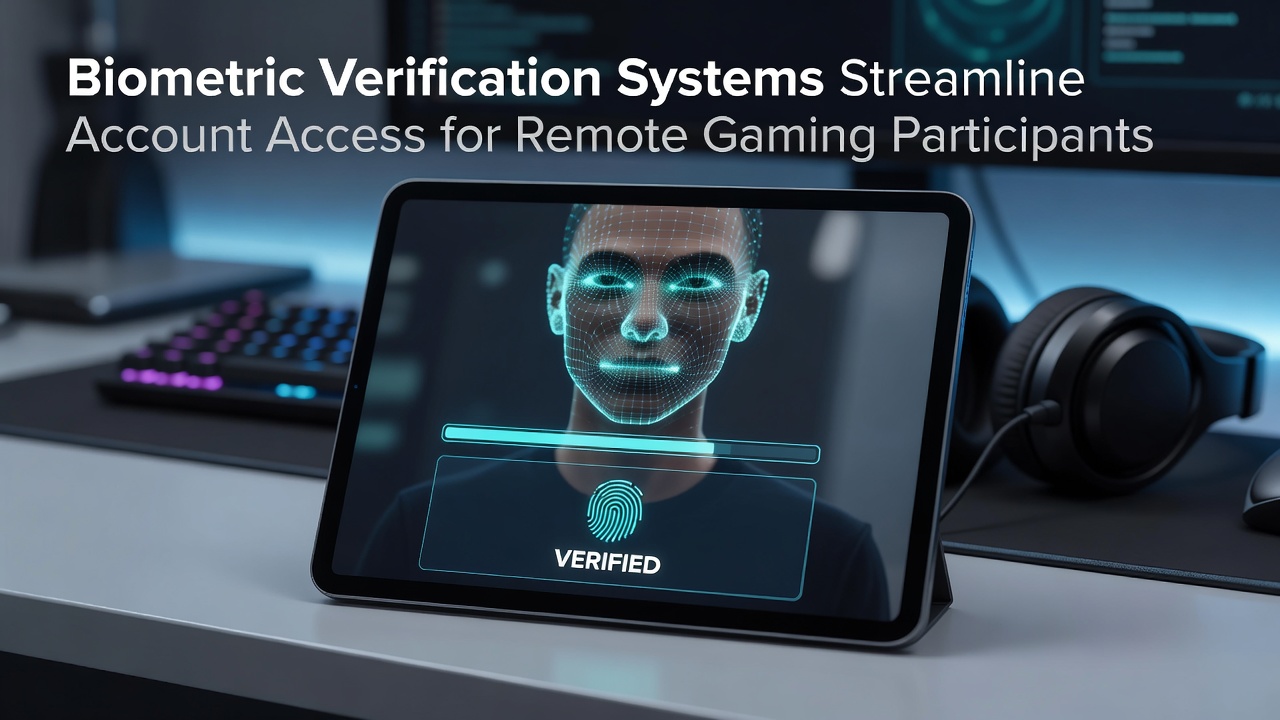
Biometric verification systems have gained traction across remote gaming platforms because they replace traditional passwords and two-factor codes with unique physical traits such as fingerprints, facial patterns, and voiceprints. Operators integrate these tools into mobile apps and desktop sites, allowing participants to confirm identity in seconds rather than minutes. Data from multiple jurisdictions shows adoption rates climbing steadily through 2025 and into 2026, driven by both security needs and user demand for frictionless entry.
Core Technologies Behind the Shift
Facial recognition leads the field in many markets because cameras already exist on most smartphones and laptops, while fingerprint sensors appear on an increasing number of consumer devices. Voice biometrics supplement these methods during customer support calls or when players authorize large withdrawals. Researchers at institutions like the University of Nevada, Las Vegas have documented how multi-modal systems combine two or more traits to reduce false acceptance rates below 0.1 percent in controlled trials.
Impact on Account Access Times
Traditional login sequences that once required email verification, SMS codes, and password resets now collapse into a single scan. Industry reports indicate average login duration dropped from 45 seconds to under 10 seconds once biometric layers replaced older protocols. Remote participants in regions with strict age verification rules benefit most because the same scan that unlocks the account also satisfies ongoing compliance checks without repeated document uploads.
Implementation Examples Across Markets
Operators in North America began rolling out these systems in 2024, with several large platforms completing full integration by August 2026. European and Asian markets followed similar timelines, often pairing biometric tools with existing digital wallet infrastructure. One study released by the International Association of Gaming Regulators highlighted how platforms in multiple jurisdictions recorded a 30 percent rise in daily active users after simplifying entry points through biometrics.
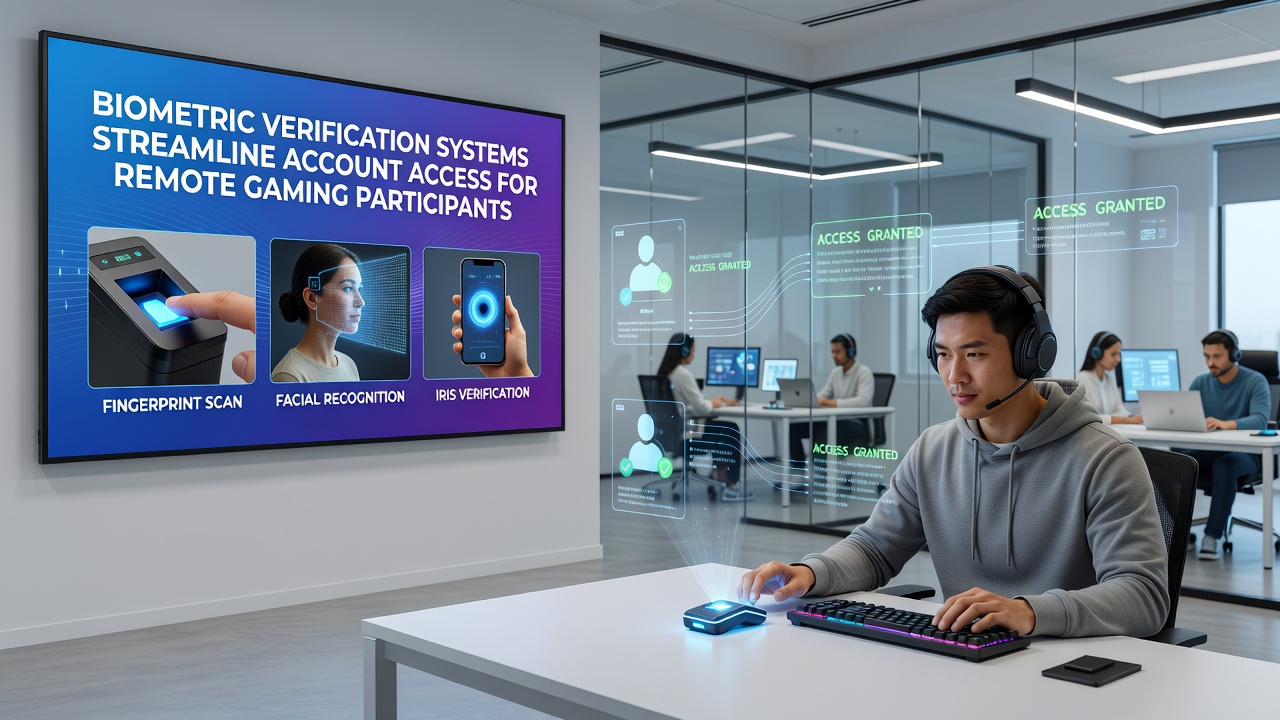
Take the case of a major platform serving Canadian players that linked its biometric system to provincial databases for real-time identity matching. Participants who enrolled once could switch devices without re-verification because the biometric template traveled securely with their account profile. Observers note that such cross-device continuity reduces support tickets related to forgotten credentials by more than half in the first six months after launch.
Security and Compliance Advantages
Biometric data stays encrypted on devices or within secure enclaves rather than traveling across networks in plain form, which lowers exposure during breaches. Regulatory bodies in Australia and several U.S. states have updated guidelines to accept biometric logs as valid records for responsible gambling audits. According to figures from the National Council on Problem Gambling, platforms using these logs detect unusual session patterns faster because login timestamps tie directly to verified identities.
Challenges and Ongoing Refinements
Lighting conditions, camera quality, and user movement can still affect facial recognition accuracy, prompting developers to add fallback options such as PINs or device-based authenticators. Privacy regulations in the EU and Canada require explicit consent and data deletion pathways, which operators address through clear opt-in screens and regular audits. Those who have studied deployment data report that transparent communication about storage practices increases enrollment rates by 20 to 25 percent.
Future Outlook Through 2026 and Beyond
Hardware improvements in under-display fingerprint readers and infrared cameras continue to expand viable use cases, while machine learning models refine matching algorithms against demographic variations. Industry associations project that biometric verification will cover over 70 percent of remote gaming accounts worldwide by the end of 2027, assuming current adoption curves hold. Platforms that invested early now focus on expanding these systems to live dealer tables and tournament entries, where rapid re-authentication during session breaks maintains both pace and security.
Conclusion
Biometric verification has shifted from optional add-on to standard infrastructure for remote gaming because it delivers measurable gains in speed, security, and regulatory alignment. Participants gain quicker account access while operators meet compliance demands with less manual oversight. As hardware and software mature, the same frameworks support additional features such as age-gated content controls and personalized responsible gaming prompts, all anchored to a single verified identity.