Artificial Intelligence Transforming Retention Approaches Across Global Betting Platforms
Written by Zara Weber · Aug 2, 2026
Artificial Intelligence Transforming Retention Approaches Across Global Betting Platforms
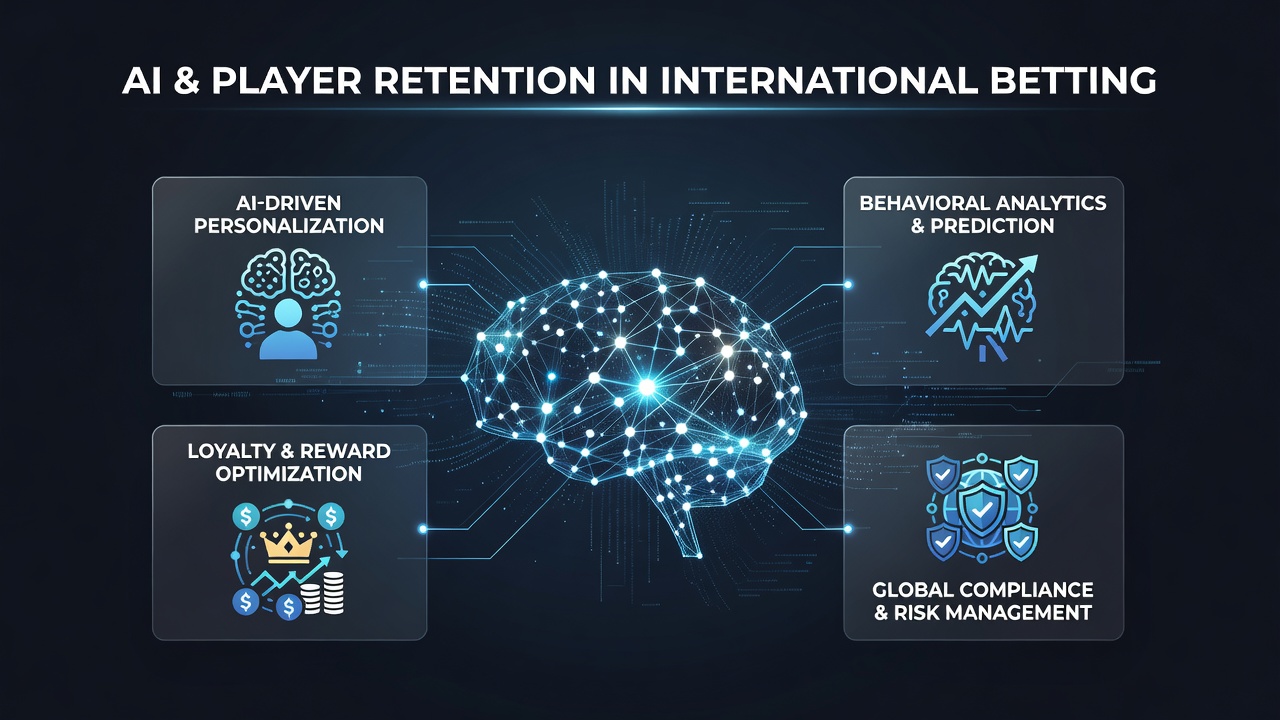
Artificial intelligence now drives many retention efforts on betting platforms that operate across multiple continents, and platforms in Europe, North America, and Asia Pacific regions have integrated machine learning models to predict when users might reduce their activity or leave entirely. These systems process vast datasets that include betting frequency, session duration, deposit patterns, and even time-of-day preferences, then trigger targeted interventions such as customized bonus offers or loyalty rewards before a player disengages. Data from industry reports show that operators using these tools have recorded measurable improvements in repeat engagement rates during 2025 and into the first half of 2026.
Behavioral Prediction Models in Action
Operators employ supervised learning algorithms that classify players into risk categories based on historical behavior, and once a model flags a potential churn risk the platform can automatically adjust marketing messages or game recommendations. Australian researchers at the University of Sydney documented how such models reduced player attrition by analyzing over 12 million user sessions across several licensed sites, and their findings indicated that timely interventions produced higher retention among users who received personalized game suggestions rather than generic promotions. Platforms in Canada and parts of Latin America have adopted similar frameworks, though each jurisdiction applies its own data privacy rules that shape how much information the algorithms can access.
Dynamic Personalization and Reward Structures
Retention tactics extend beyond simple churn alerts because AI systems now generate real-time offers that adapt to individual play styles, and one European operator reported that its dynamic bonus engine increased average session length by 18 percent after deployment in early 2026. The technology examines win-loss ratios alongside preferred game types, then serves tailored free spins or deposit matches that align with the user’s recent activity. In the United States, several state-licensed sportsbooks apply comparable methods to keep bettors active during off-peak periods, while Asian platforms focus on live casino features that the models identify as high-engagement triggers for their regional audiences.
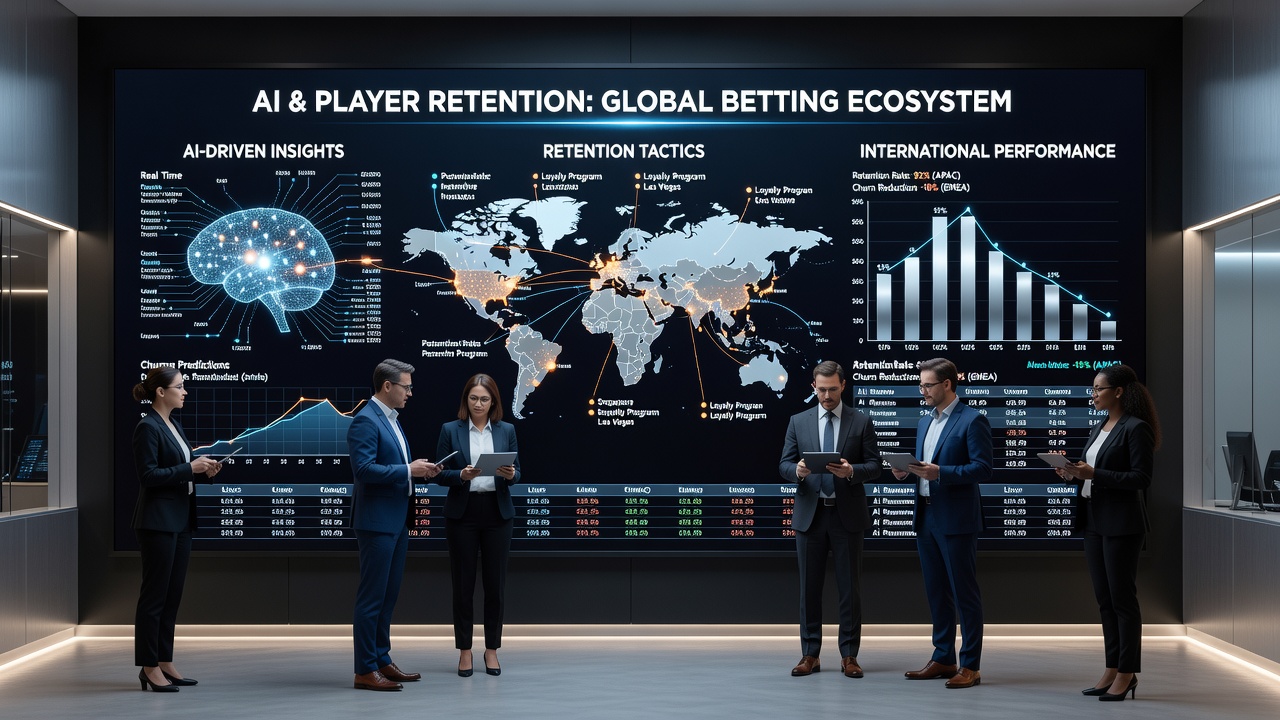
These personalization layers operate alongside loyalty programs that award points or status levels, yet the AI component decides when to accelerate rewards or introduce new tiers to prevent stagnation. Observers note that platforms in August 2026 continue to refine these systems because regulatory updates in multiple markets now require clearer disclosure of how algorithmic decisions affect player offers.
Cross-Border Data Practices and Regulatory Context
International operators must navigate differing data-protection frameworks when they aggregate information from users in multiple countries, and organizations such as the Australian Gambling Research Centre have published guidelines that address responsible use of predictive analytics. Platforms headquartered in Malta or Gibraltar often maintain separate data pipelines for European and non-European traffic to satisfy local statutes, while North American operators reference standards from the National Council on Problem Gambling when designing intervention triggers. Research published by the University of Nevada in 2025 examined how AI-driven messaging performed across jurisdictions and found that messages framed around responsible play produced longer-term retention than purely promotional content in several tested markets.
Operators also deploy natural-language processing within customer-support chat functions, and these tools route queries to appropriate response templates while logging sentiment indicators that feed back into retention models. The same systems can flag accounts showing signs of extended play without corresponding wins, prompting the platform to suggest limit-setting tools or temporary breaks in line with regional harm-minimization requirements.
Integration with Live and Social Features
Live-dealer and tournament formats receive additional AI oversight because engagement metrics differ sharply from standard slot or sports-betting products, and platforms in Southeast Asia have reported that AI-curated tournament brackets increased repeat participation by matching players against others with similar skill indicators. Social features such as leaderboards and shared achievements receive algorithmic weighting so that users see content most likely to sustain their interest, while the underlying models continuously update based on click-through and completion rates. These layered approaches allow operators to maintain activity levels even when external factors such as seasonal sports calendars or economic shifts affect overall betting volumes.
Conclusion
Artificial intelligence has become a core component of retention strategies deployed by betting platforms that serve international audiences, and the technology continues to evolve in response to both performance data and regulatory expectations. Platforms that combine predictive modeling, dynamic personalization, and responsible-play safeguards demonstrate measurable differences in user longevity compared with those relying on static campaigns. As markets prepare for further policy adjustments expected later in 2026, the emphasis remains on transparent application of these tools while operators refine their methods to meet diverse regional standards.