AI Deployment Accelerates Real-Time Oversight in Digital Gaming Environments
Written by Zara Weber · Jul 31, 2026

AI Deployment Accelerates Real-Time Oversight in Digital Gaming Environments
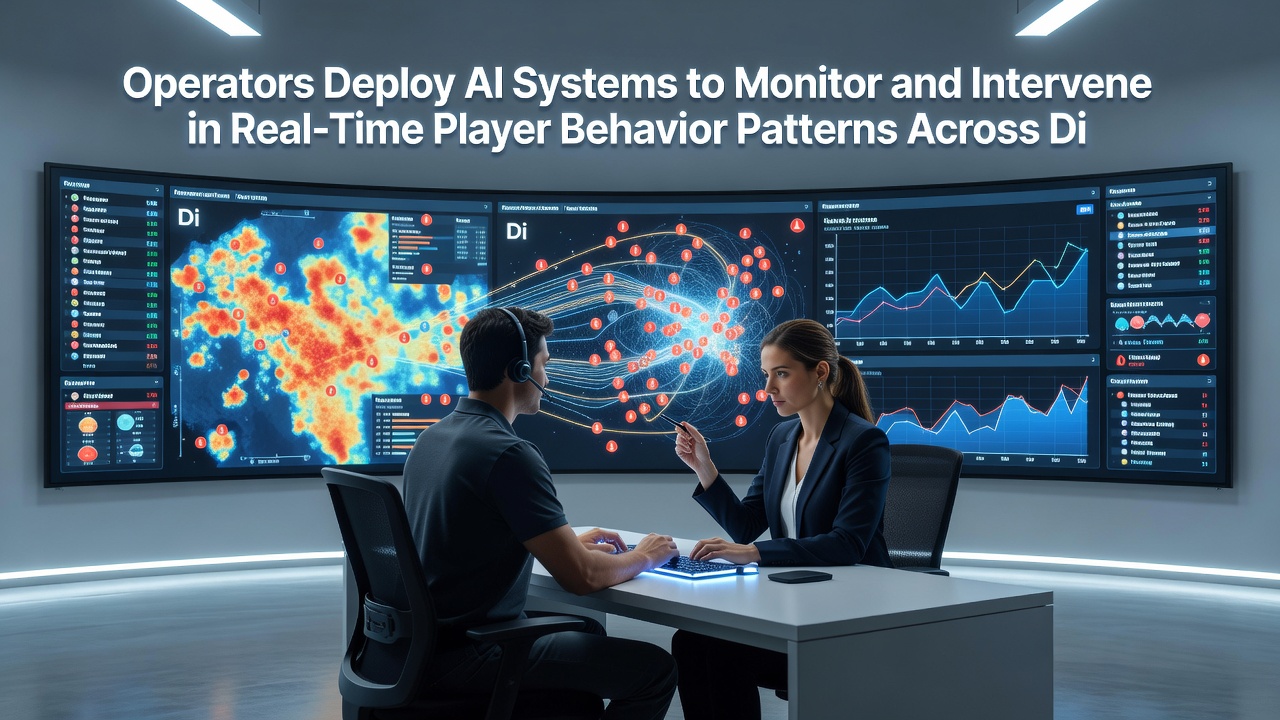
Operators across digital gaming platforms have begun rolling out artificial intelligence systems designed to monitor player behavior patterns and enable interventions during live sessions, with several jurisdictions preparing updated compliance frameworks ahead of July 2026 deadlines. These tools analyze data streams including session duration, betting frequency, deposit patterns, and interaction metrics to identify deviations that may warrant operator attention.
System Capabilities and Technical Integration
Modern AI platforms combine machine learning models with real-time data pipelines that process thousands of player actions per second, allowing platforms to flag unusual sequences such as rapid escalation in stake sizes or prolonged play without breaks. Integration occurs through APIs that connect directly to existing player management databases, while algorithms trained on historical datasets refine detection thresholds over time. One operator that implemented such a system in 2024 reported processing over 12 million behavioral signals daily across its network, according to internal performance summaries shared with industry partners.
Regulatory Context in Multiple Regions
Authorities in several markets now require documented evidence of behavioral monitoring capabilities, and data from the Australian Communications and Media Authority shows that licensed operators must submit quarterly reports detailing intervention logs and system performance metrics. Similar expectations appear in Canadian provincial frameworks and certain European licensing regimes, where operators must demonstrate that AI tools can trigger automated alerts or human review within defined time windows. Implementation timelines align with broader modernization efforts scheduled to conclude by July 2026 in multiple jurisdictions.
Intervention Protocols and Operator Response
Once the AI identifies a pattern matching predefined risk indicators, the system can initiate graduated responses ranging from on-screen messages suggesting breaks to temporary session pauses that require confirmation before continuation. Human oversight teams receive prioritized case summaries that include session timelines, transaction histories, and recommended actions, which allows staff to contact players through chat or email when automated measures prove insufficient. Research published by the University of Nevada, Reno International Gaming Institute indicates that platforms using combined AI and human review reduced average response times from 47 minutes to under 9 minutes in controlled trials.
Data Sources and Model Training
Training datasets draw from anonymized player records collected over multiple years, incorporating variables such as time-of-day activity, device type, payment method changes, and communication frequency with support teams. Experts note that models must account for regional differences in play styles and cultural attitudes toward gaming, which requires ongoing calibration rather than one-time deployment. Platforms that update their algorithms monthly report higher accuracy rates compared with those using static versions, according to figures released by gaming technology providers.
Challenges in Accuracy and Privacy
False positive rates remain a concern because overly sensitive models can generate excessive alerts that overwhelm support staff, while conservative thresholds may miss emerging issues. Privacy regulations in the European Union and Canada impose strict limits on data retention and processing purposes, requiring operators to maintain audit trails that demonstrate compliance with consent and minimization principles. Technical teams address these constraints by implementing differential privacy techniques and edge computing solutions that reduce the volume of raw data transmitted to central servers.
Industry Adoption Patterns
Larger operators with multi-jurisdictional licenses have led adoption, citing the need to meet divergent regulatory requirements through a single scalable platform. Smaller operators often partner with specialized technology vendors that provide managed AI services rather than building custom solutions in-house. Adoption metrics compiled by trade associations indicate that the percentage of licensed platforms using real-time behavioral AI rose from 18 percent in 2022 to 41 percent by early 2025, with further growth projected through 2026.
Conclusion
Operators continue to refine AI monitoring systems as regulatory deadlines approach in July 2026, focusing on improved detection accuracy, faster intervention triggers, and stronger alignment with data protection standards across regions. These developments reflect broader shifts toward technology-assisted compliance in digital gaming environments worldwide.