Adaptive Reward Systems Take Hold on Digital Gaming Platforms
Written by Logan Schulz · Aug 16, 2026
Adaptive Reward Systems Take Hold on Digital Gaming Platforms
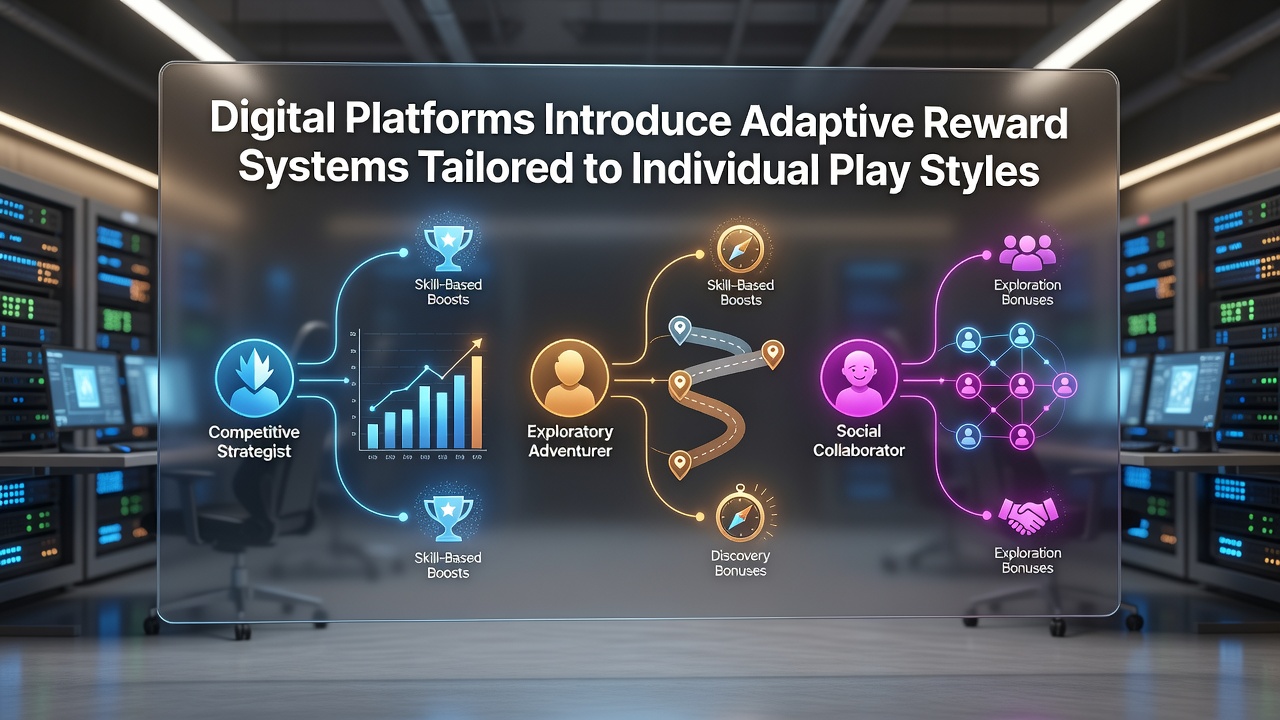
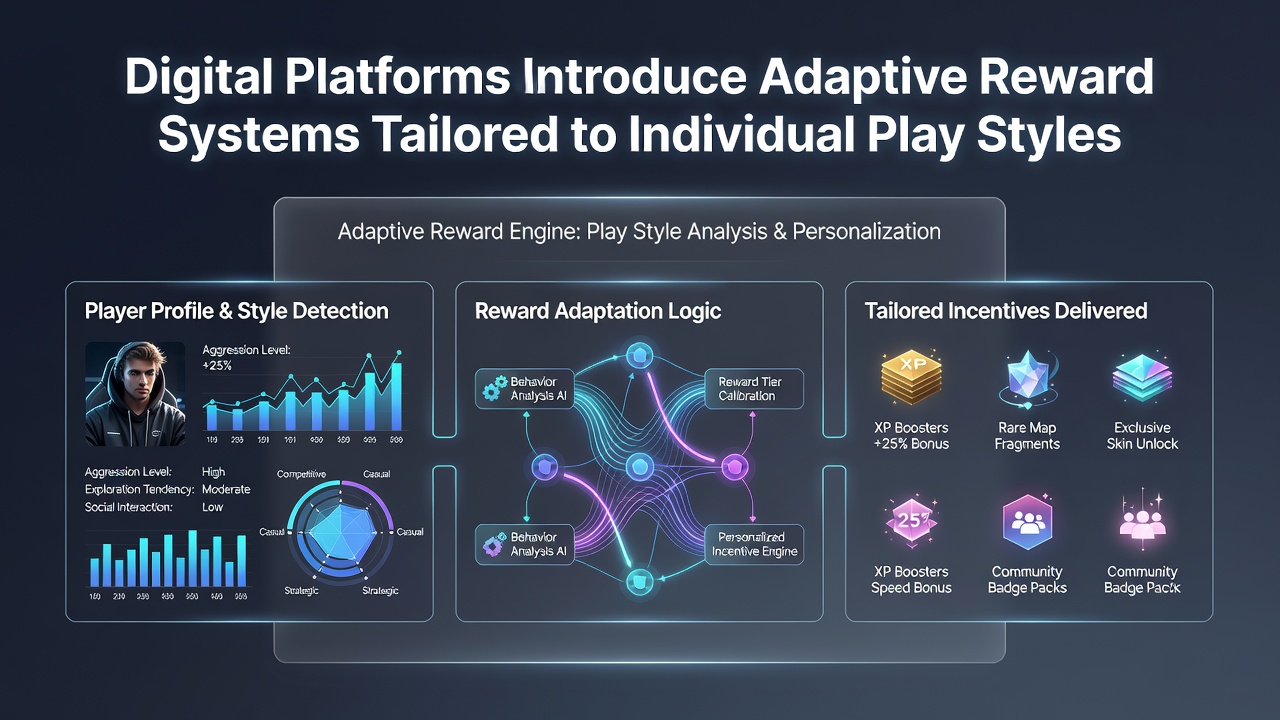
Digital platforms across the gaming sector have started rolling out adaptive reward systems that analyze individual play styles and adjust incentives accordingly, and these mechanisms rely on data tracking to categorize users into groups such as high-volatility seekers, steady progressors, or exploratory participants before delivering tailored bonuses or features. Research from industry reports shows these systems use machine learning algorithms to monitor session length, bet sizing patterns, and game selection tendencies in real time, which allows platforms to shift reward structures without manual intervention.
How Adaptive Systems Analyze Play Styles
Platforms collect metrics on spin frequency, risk tolerance through stake variations, and time spent on specific mechanics while users engage, then map those behaviors to predefined reward tiers that activate automatically once thresholds are met. Data indicates that players who favor rapid successive bets often receive instant cashback offers or multiplier boosts, whereas those who extend sessions across multiple titles encounter loyalty points that accumulate toward free rounds or entry into progressive events. Observers note that this categorization happens within the first few interactions, which enables quicker personalization compared to static programs that apply uniform bonuses across all accounts.
Implementation Examples From Recent Deployments
One platform introduced an adaptive layer in early 2025 that adjusted daily login rewards based on detected styles, and users classified as explorers saw their incentives rotate through new game trials while consistent players unlocked escalating deposit matches tied to their historical patterns. Another case involved a network that partnered with developers to embed style detection directly into slot interfaces, which triggered feature unlocks like additional wild symbols for risk-oriented accounts or extended free spin chains for methodical ones. Figures from platform analytics reveal that retention rates climbed when these adjustments aligned closely with observed behaviors, although exact percentages vary by region and operator scale.
What's notable is the integration with broader user data sets, including device preferences and peak activity hours, which refines the matching process further and reduces instances of mismatched rewards that previously led to disengagement. Experts have observed that smaller operators adopt these tools through third-party providers, whereas larger networks build proprietary versions that incorporate feedback loops from completed sessions to update models weekly.
Regulatory and Technical Considerations
Authorities in various jurisdictions have begun reviewing how these systems handle data privacy and fairness, with guidelines emerging around transparent communication of reward criteria to users. A study published through the Canadian Gaming Association examined compliance frameworks in North American markets, and it highlighted that operators must maintain audit trails for algorithmic decisions to demonstrate nondiscriminatory application. Technical requirements include robust encryption for behavioral data alongside options for users to opt out of style tracking without losing base access to platform features.
By August 2026 several platforms plan to expand these systems to include cross-game adaptations, where rewards earned in one title influence incentives in unrelated categories such as table games or live dealer environments. This expansion draws from research conducted at institutions like the University of Nevada, Las Vegas, which tracked correlations between play style consistency and long-term platform loyalty across multiple titles. Those findings suggest that adaptive matching can sustain engagement even during seasonal dips, provided the underlying data models account for shifts in user preferences over time.
Broader Industry Shifts
Industry organizations report that adoption rates have accelerated as competition intensifies among digital platforms, and smaller providers leverage cloud-based solutions to match the capabilities of established operators without heavy infrastructure investments. The reality is that these systems often combine with existing loyalty structures rather than replace them outright, which creates layered reward experiences that evolve based on cumulative behavior logs. Platforms in Australia and parts of Europe have tested similar approaches under local oversight, with results showing varied uptake depending on how clearly the adaptive logic gets explained to participants.
Take the example of one mid-sized operator that segmented its user base into five play style categories after initial testing, then deployed targeted campaigns that delivered distinct reward pathways for each group. Outcomes included higher completion rates for bonus challenges among users whose styles matched the offered incentives, and the operator documented these patterns through internal dashboards shared with research partners. Such cases illustrate the practical mechanics behind the trend without relying on uniform strategies applied industry-wide.
Conclusion
Adaptive reward systems continue to develop as digital platforms refine their data capabilities and respond to evolving user expectations, with ongoing adjustments expected through 2026 and beyond. Reports from sources such as the Australian Gambling Research Centre underscore the importance of balancing personalization with regulatory compliance to maintain trust across markets. These developments reflect wider technological integration in gaming environments, where style-specific tailoring becomes one component among many that shape how platforms interact with diverse participant groups.